
Opens in a new tab

Free initial assessment

Start with
one view.

We review one camera view and give your team a written recommendation.

Request assessment

No footage needed to start.

Request an assessment

Four required fields. Extra details are optional.

More details (optional)

Please leave out passwords and sensitive footage. Privacy.

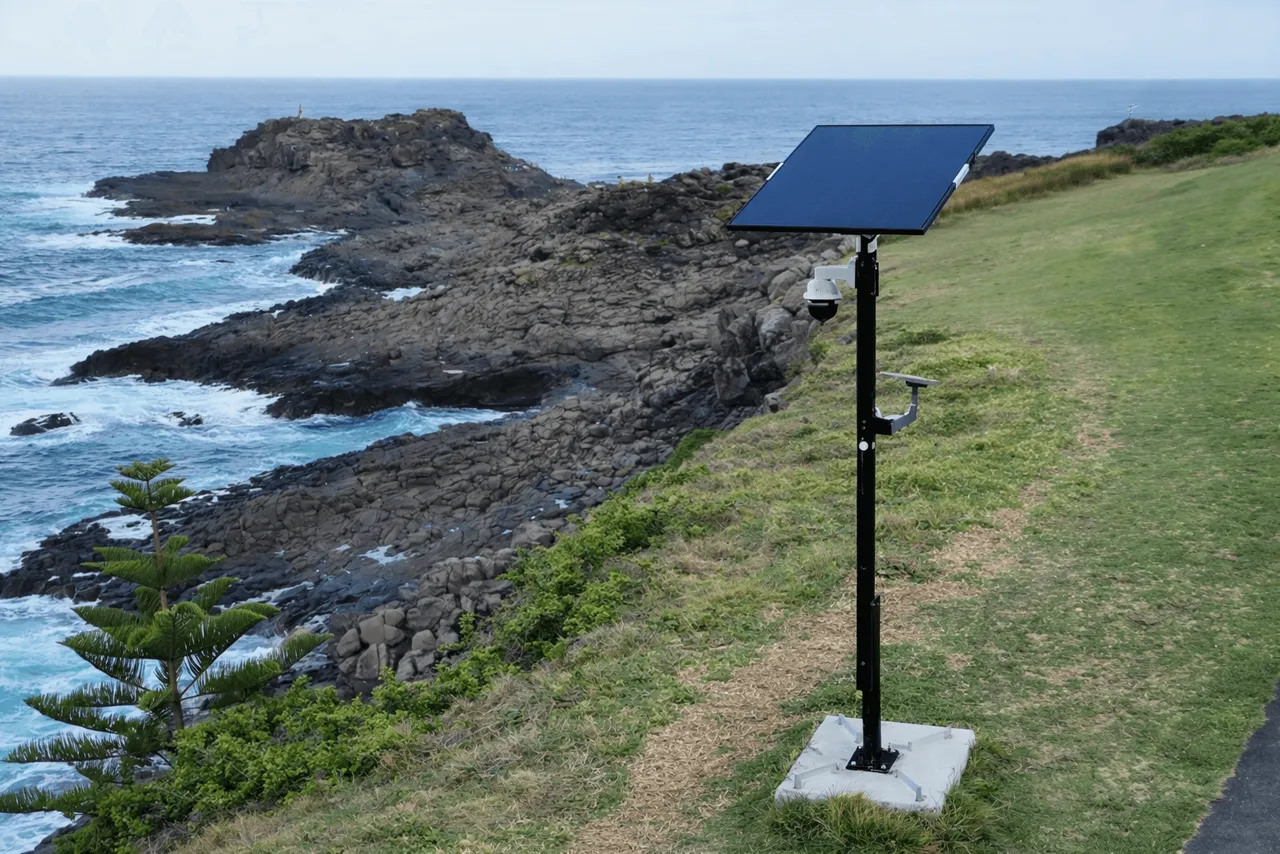
A coastal monitoring camera overlooking the shoreline at Kiama.

SAIL, Surf Life Saving NSW. AI software, alerting, on-premises setup and field testing with the operating team.

See the work

From your view
to a decision.

One site. One camera view.
A useful first answer.

  1. 01

    Tell us the goal.

    Your setting, what you need to notice and who will use the information.

  2. 02

    Review one view.

    We agree how to share footage, then review up to 30 minutes of authorised video.

  3. 03

    Know the next step.

    Get a written recommendation. Any paid pilot is scoped and agreed separately.

Your written recommendation.

The view.
Coverage, detail and conditions.
The fit.
Relevant capabilities and gaps to test.
The next step.
A practical recommendation for your team.

Before we begin

A few
answers.

No technical brief needed. Start with what your team needs to understand.

info@resqvision.com
What is included?

A discussion of one site, review of one camera view and up to 30 minutes of representative, authorised footage, and a written recommendation. Installation, custom development, integrations and ongoing live monitoring are scoped separately.

Do I need footage or a camera ready?

No. Tell us about your setting and what you need to notice. We’ll agree the camera information and footage needed for the review with you. You can also check camera compatibility.

What about other sensor inputs?

ResQVision also works with radar, AIS, weather, wearables, asset-tracking and GPS inputs. Tell us what you use; we’ll agree an appropriate scope. The free footage assessment described here covers one camera view.

Does this commit us to a paid pilot?

No. The initial assessment is free. Any pilot’s scope, price and acceptance criteria are agreed before work begins. Hardware, travel, installation and custom integrations are separate scope items where required.

How is ongoing use priced?

A typical Australian subscription is A$500 per camera/month, excluding GST. The reference package includes:

  • Platform access.
  • Continuous camera processing with standard people and vessel detection and tracking.
  • Ongoing technical support.

Specialist modules, additional sensor feeds, setup and custom integrations are quoted separately. Hardware is charged at cost.

We confirm the scope and final price in your local currency before work begins. Regional prices may differ.

How do we share footage safely?

Start with a general description in the form. Leave out passwords and sensitive footage. We’ll agree an authorised transfer method and data-handling arrangements before receiving video. Read about deployment and data handling.

Assessment scope and evaluation method

The first assessment helps answer whether the camera view is a useful input for your task and what to do next. It is bounded, practical and free.

What the free assessment includes

A discussion of one site and one camera view, review of the camera information and up to 30 minutes of representative authorised footage, and a written recommendation.

The recommendation explains the view assessed, the intended event, input suitability, observed conditions, unresolved gaps and a recommended next step. It is an initial assessment rather than a completed operational pilot.

What to send first

Your organisation, the site or mission and the observation your team needs. Include available camera information if you have it. You do not need footage ready before contacting us.

We agree the transfer method, authorisation and handling arrangements before receiving video. Keep credentials and sensitive footage out of the website form.

From suitable footage to a paid pilot

If a pilot is useful, agree its scope, price, camera configuration, test conditions, operator workflow and deliverables before work begins. Installation, travel, custom development, integrations and live monitoring are separate scope items.

A pilot should answer the agreed operating question and give the team a documented basis for its next decision.

Agree the event before measuring it

Define the observable subject, area and event. Establish how footage will be labelled, what counts as a valid event and what timing matters to the operator.

That avoids comparing a detection metric with a different requirement, such as alert acknowledgement or rescue response.

Use representative footage

Include ordinary activity, events of interest and relevant difficult conditions. Where they matter, assess light, glare, movement, sea state, obstruction and interrupted video.

An evaluation result should name the view and conditions tested rather than imply the same result across every site.

Score the operational workflow

Review missed events and false alerts alongside the timing and interpretability of the delivered evidence. Check whether the operator can confirm or dismiss an event.

Record detection, event delivery, human acknowledgement and response separately. Include the operator’s workload and the handling of uncertainty or an unavailable feed.

Decide what the evidence supports

Document the tested input, findings, limitations and next step: proceed to a defined pilot, adjust the camera, gather more footage or refine the task.

Submit a general description through the assessment form or email info@resqvision.com.

For an emergency, contact local emergency services.

Start with
one view.