Pedro and Paco’s conversations with coastal councils and rescue-technology developers in Spain put a practical question in focus: what needs to happen after a camera flags an event?
Pedro Luis Gonzalez Peña and Francisco Márquez Tavira, known as Paco, represented ResQVision at the 3rd International Blue Flag Congress in Islantilla, Spain, from 30 September to 2 October 2026.
Their recap identified two practical follow-ups: demonstrations with coastal councils to understand local needs, and discussions with Spanish rescue-technology developers about possible interfaces between monitoring software and response equipment.
The gap between an observation and a response
A camera may flag an event, but a useful operating system also needs to answer where it happened, when it happened, what evidence is available and who should review it. Those questions matter whether the response involves a lifesaving team, a vessel or specialist rescue equipment.
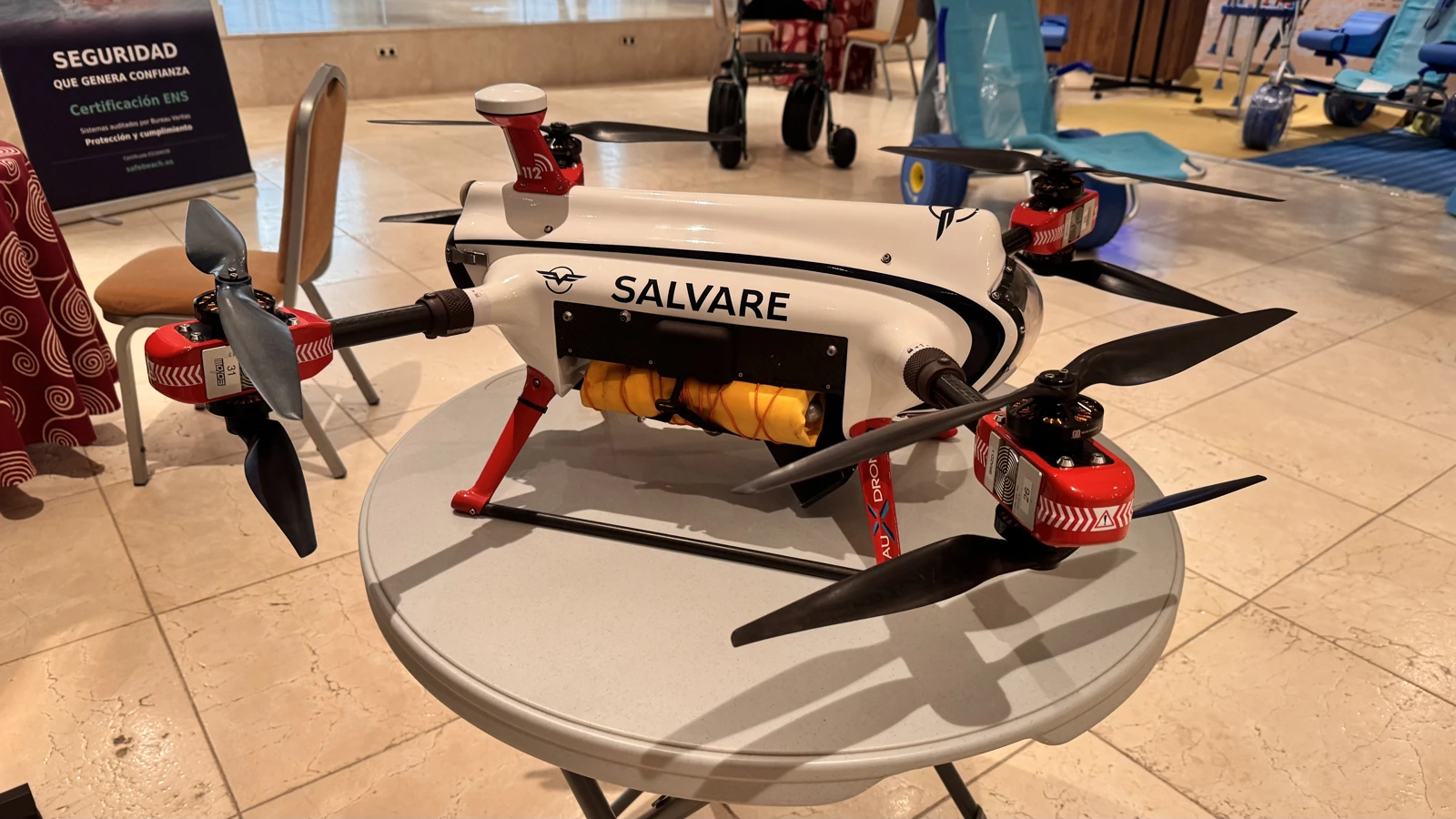
The congress discussions raised the prospect of assessing aerial and surface rescue-drone interfaces. This remains exploratory work. The next step is to establish what data each system can exchange and which decisions stay with the responsible operator.
What an integration assessment needs to establish
- A shared location and timestamp for the event.
- The footage or other evidence the receiving team can inspect.
- An agreed interface for handing over an observation.
- Clear responsibility for authorising and coordinating a response.
For the Spain team, the immediate priority is to turn initial interest into focused demonstrations and technical discussions. Talk with Pedro and Paco in Spanish about a coastal site or operating requirement.
Sources & story details
- Location
- Spain
- Event or activity date
- 30 September–2 October 2026
Read the original public source